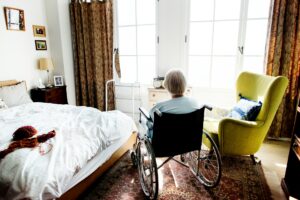

Getting support at home can feel like a relief, especially when life starts to change. Whether someone is recovering from an illness, dealing with a serious condition, or just needs a little daily help, being in a familiar space often brings comfort. For many families, working with Ohio home health care agencies becomes a way to keep loved ones close while receiving the care they need.
As spring arrives across Ohio, families often start looking ahead, spring cleaning, new routines, and even changes in care needs. This season can be a good time to check in on how things are going at home and see what kind of help might feel right. Whether it is short-term support after a hospital stay or long-term care for ongoing health needs, there are a few main options that can make daily life a little easier.
Understanding What Home Health Care Includes
Not all care at home looks the same. Some people might need quick help after surgery or an illness. Others may need someone to check in regularly over a longer stretch of time. Either way, home health support often gives people a middle ground between being completely independent and needing full-time care in a facility.
- Short-term care is often used after an injury or hospital stay. This might include physical therapy, wound care, or a few weeks of support with medication.
- Long-term care could involve managing a health condition like diabetes or heart disease with regular nursing visits.
- Some people benefit from a mix of both, depending on how their health changes from season to season.
Home health care isn’t just medical. It can include help with daily activities too, things like bathing, moving around safely, cooking, or organizing medications. The care plan usually shifts over time, based on what’s working and what needs adjusting. That flexibility is one reason many families find it helpful, especially when spring brings changes to daily routines.
When Hospice Support Becomes Part of the Plan
When someone is living with a serious illness and recovery is not the main goal, hospice may become part of their care. Hospice at home is about peace and comfort, not medical cures. It means focusing on pain relief, emotional support, and giving families time together in a calm setting.
- Hospice support can include regular visits from care professionals, emotional check-ins, and quiet time with someone who understands the situation.
- Families often have questions or unexpected feelings come up. Hospice can help by listening and offering guidance without pressure.
- This kind of care fits into home health when someone’s health is not improving and comfort at home becomes the priority.
Hospice doesn’t erase tough moments, but it can soften them. It’s common to feel unsure or sad during this kind of change. But having support at home means loved ones don’t have to go through it alone. Instead of focusing on what’s being lost, hospice helps people focus on small moments that still matter.
Support for Ongoing Health Needs at Home
Living with a long-term condition doesn’t always mean needing full-time help, but it often means needing some kind of regular support. People with breathing trouble, heart conditions, or memory-related concerns may feel more balanced at home when someone is checking in routinely.
- Some visits include checking vital signs, helping with medications, or reviewing how someone feels from day to day.
- Other visits might focus on emotional well-being, offering space to talk about what’s hard or celebrate small progress.
- Staying in a known space can help people feel more in control, especially if they are used to doing things a certain way.
Getting help at home is often less stressful than traveling to appointments or trying to manage everything alone. For many older adults, having support come to the doorstep makes it easier to stay steady and safe while still feeling in charge of their own day. It helps the family know someone is keeping an eye without creating pressure.
Home Health Support from VNA of Ohio
VNA of Ohio provides Ohio families with a range of home care services, including skilled nursing, wound care, medical social work, and therapy, all coordinated to fit personal health goals. Our teams can help set up in-home equipment, organize medication routines, and partner with doctors or hospitals to maintain seamless care as needs evolve. Whether a patient needs short-term recovery support or a longer-term gentle presence as they adjust to seasons or new routines, VNA of Ohio coordinates each step and keeps families included in care plans all year. For those navigating changing health needs, it can bring relief to know there is a team devoted to supporting not only medical care but the routines that help day-to-day life feel easier.
Our staff members focus on listening carefully and making sure everyone involved understands each part of the care process. We believe that clear communication makes transitions smoother, whether it is during a short-term chance at recovery or ongoing health changes that take more time. Staying in contact with family and caregivers builds trust and gives everyone a better sense of how things are going. When needed, our professionals also help connect patients and families with helpful materials or community support resources. This can make some decisions feel lighter, as small questions are answered quickly and support is always close by.
Finding the Right Fit for Your Family
Every home and every family is different. That means the right kind of care can look a little different too. Ohio home health care agencies may offer a wide range of options, and picking the right one depends on comfort, trust, and what kind of help is really needed.
- Some agencies focus more on hospice and comfort, while others may offer short-term rehab support or long-term chronic condition care.
- It can help to think about what kind of schedule works best. Are there daily check-ins, weekly visits, or something in between?
- Needs may shift over time. A person might recover from surgery and not need help anymore. Or they might slowly need more support as they age.
As spring brings change, it often brings reflection too. Many families start asking if their current routines still work, or if more help would make things better. Looking at those questions together can take away some of the guesswork and lead to clearer next steps. If you are not sure which path to take, it can be comforting to talk through your situation with people who listen and give suggestions without making you feel rushed.
Remember, families can choose to start with just a little support and then adjust as life moves forward. It is okay if the first plan needs adjustments or if you want to ask new questions as things change. By listening to how daily life feels and paying attention to moments when stress builds, it becomes easier to decide what kind of care feels right.
Comfort, Care, and the Peace of Home
Spring in Ohio can feel like a fresh start. The snow melts, daylight lasts longer, and people tend to spend more time outside or open the windows a little more. It’s a good time to take stock of how things feel at home, and whether someone you care about might be ready for more help or a different kind of support.
What matters most is that people feel safe, supported, and respected in their space. When care shows up gently, without rushing or pushing, daily life can feel less overwhelming. Whether someone needs hospice, long-term health help, or short-term recovery care, the calm of familiar surroundings sets the tone for healing, not just physically, but emotionally too.
Many families across the state turn to Ohio home health care agencies when comfort, peace, and being together start to matter most. At VNA of Ohio, we gently guide these important decisions, focusing on what matters most to you and your loved ones. Whether care needs are just beginning or shifting, we are always here to talk about how we can help. Please contact us to start the conversation.