
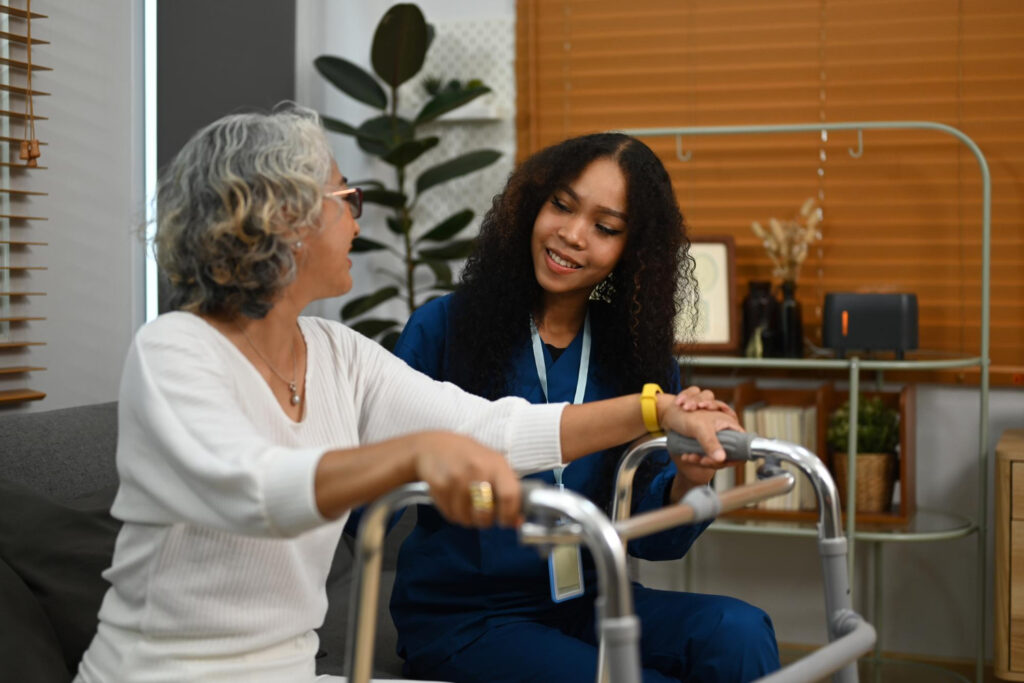
When someone you love starts needing more help at home, it can be hard to know what to do next. Things do not always change all at once. You might notice little clues—missed meals, skipped medications, or trouble getting dressed. And when a parent faces health challenges or is nearing the final stage of life, the pressure to figure things out quickly can feel heavy. Home health care in Cuyahoga is one way families find steady help, especially around the colder months. It allows care to happen where someone feels most like themselves—still in their home, surrounded by their people.
This kind of support is not about giving up independence. In fact, it often helps keep it. Whether it is short-term care or hospice, knowing someone will be there to help makes the day-to-day feel more manageable. Here is how this option works, how to know if it is right, and what life can look like with care that comes right to the door.
When is It Time to Consider Help at Home?
There usually is not a single moment when everything becomes too much. It is more like a slow shift—a jacket that goes unzipped in the cold, a hallway left dark because getting up to turn on the light became too hard. These little changes start to add up. If your parent is tired, confused more often, or skipping meals, it might be time to think about extra help.
Winter often brings these changes to the surface. Cold makes joints ache more. Ice can turn a simple step outside into something risky. Even short trips to the doctor or pharmacy get harder. For an aging parent, just staying warm and safe gets more challenging.
Families tend to wait longer than they admit before looking for help. It is hard to know when to step in. One of the clearest signs is when your parent falls behind in their routine—not just once, but often. Missed pills, unopened mail, laundry collecting. These are signals of someone who may be stretched too thin by their own health.
When the days are short and options feel limited, in-home care helps keep things steady. Instead of rushing to and from appointments, simple support like medication reminders or help with meals helps your parent find their footing again—without having to leave home.
What Does Home Health Care Look Like in Cuyahoga County?
In Cuyahoga County, care at home comes in many forms. Some people need help recovering after surgery. Others may have long-term illness that makes everyday tasks hard. And some families turn to home services when hospice becomes part of the plan.
Regular support can include help with dressing, preparing food, or gentle assistance with bathing. It might be a nurse checking on wound care or making sure medications are working. Mental health support is an option as well, especially for those showing signs of depression or anxiety. When care moves into hospice, the focus shifts from getting better to staying comfortable with the time that is left.
What matters most is that help happens where someone already lives. Whether they are alone or with others, home care fits around the regular routine. Local caregivers understand how Ohio winters hit and know how to arrive prepared, even when the roads are slick.
For families, this means fewer last-minute trips, less worry during snowstorms, and a little more calm in a world that often feels fast-moving and uncertain. VNA of Ohio offers skilled nursing, social work, therapy visits, and hospice services—all delivered at home based on a care plan coordinated with your doctor.
Will Home Health Care Work for Your Parent’s Situation?
Before deciding what comes next, pause and look around. Ask yourself a few questions. Is your parent keeping mealtimes? Are they remembering to take medication or getting confused? What does their energy look like in the mornings compared to later in the day?
Sometimes the answers show they are still managing alright. Other times, the pattern is clearer—they need help.
You do not have to figure this out alone. Most families talk with a doctor or care coordinator to help make sense of what is happening. These professionals can suggest if short-term support is enough or if hospice is the better path. They can look at how family caregiving fits in too. Some support can be shared, but it is not always possible long-term. The right mix of family and professional help lifts the weight so everyone feels steadier.
If your parent has always been private or proud, calling in someone new can feel awkward at first. But with consistent, low-pressure help, it becomes just another part of the day—like someone stopping by to check in, make a small meal, or offer a little company.
Hospice at Home: Special Care During a Hard Season
When end-of-life care becomes part of the conversation, things feel heavier. As the weather turns in Northeast Ohio, that heaviness can grow. The darkness sets in earlier. Roads feel risky. Even walking from the living room to the bedroom can feel like climbing a hill.
Hospice care at home pays attention to all that. It does not just handle physical needs. It makes room for little comforts, too—like cracking a window for fresh air or keeping a favorite blanket nearby.
Hospice is not about giving up. It gives someone the chance to stay where they are most at peace. Caregivers can help with pain, medications, meals, or simply sit and talk. Visits develop a rhythm, and that helps everyone feel a bit calmer.
During winter, this care brings real relief. No one has to dress in layers and cross icy roads. Pharmacies and doctors might be closed, but hospice providers plan ahead. They stock supplies, communicate clearly, and help smooth out what could otherwise be very uneven days. For family, knowing they do not have to face each challenge alone makes a real difference.
A Closer Look at Family Life with In-Home Help
Daily life changes once in-home care is part of the picture. Things move at a steadier pace. Meals happen on time more often. Someone is there to answer questions that used to go unheard. In Cuyahoga, families using home health care usually find it shifts the tone of the house. There is less scrambling.
Winter adds its own weight. When support shows up at the door, there is no need to cancel everything or run through endless backup plans. Schedules feel more flexible, not more complicated.
The load on the main caregiver—often an adult child, partner, or close friend—lessens a bit. They can step back, even for just a few hours, without worry building up. And people who are sick, aging, or facing end-of-life care get to stay close to their routines. That calm and predictability help everyone feel more settled.
Helping Your Parent Stay Safe and Cared For at Home
Families make hundreds of little decisions every day. Some are simple, like planning dinner. Others stick with you—like how to help a parent when you cannot do it alone anymore. Home care does not fix everything, but it covers what is easiest to lose during stressful times.
Cuyahoga winters test even well-prepared families. Cold steps, icy streets, power outages. These are not small concerns when someone is sick or fragile. Extra help inside the home takes some of the pressure away. Instead of reacting to every surprise, care becomes part of the plan.
The right time to think about this option is when you notice balance shifting—a parent who is sleeping more, forgetting errands, or needing more help than you can give. Working through these patterns now helps your whole household find peace before winter settles in. With consistent support at home, your parent gets to stay where they feel most like themselves.
Changes in your parent’s routine or health can come slowly, then all at once—especially during Cuyahoga winters. If you’re unsure whether home health care in Cuyahoga includes the kind of hospice support your family needs, we’re here to help you talk it through. VNA of Ohio is ready when you are.